Typical Chimney Services
& Educational Information
Please remember each job is unique and the scope of work and price can vary.
Wood Stove and Chimney Cleaning - $180
Chimney cleaning has been around for hundreds of years, and although our tools and techniques have come along way, we still have to remove dangerous creosote and inspect the system for safety. Creosote is essentially condensed carbon and soot by products produced from burning wood. Each combination of wood/stove/chimney/operation cause different types and amounts of creosote, all of which need to be removed for safety and to maintain efficiency. Creosote is flammable and results in hundreds of chimney fires each year in New Hampshire. Think of it like water vapor, in that hot carbon vapor leaves the stove and condenses inside the chimney as it cools below 250 degrees. Improper operation can ignite this creosote buildup and cause your chimney to turn into a rocket engine.
Safe burning essentials:
Stack cord wood in a dry covered area in the spring so it drys all summer
Wood stove and chimney MUST meet safety codes (NFPA 211)
Maintain stove temperatures between 250 and 600 degrees
Do not burn trash
Do not over-fire a stove by leaving the air control or damper open too long
Install baby gates for young kiddos
Designate a stove operator (and help them carry in the wood)
Have the system cleaned EVERY YEAR, or every TWO CORDS of wood, whichever comes first.
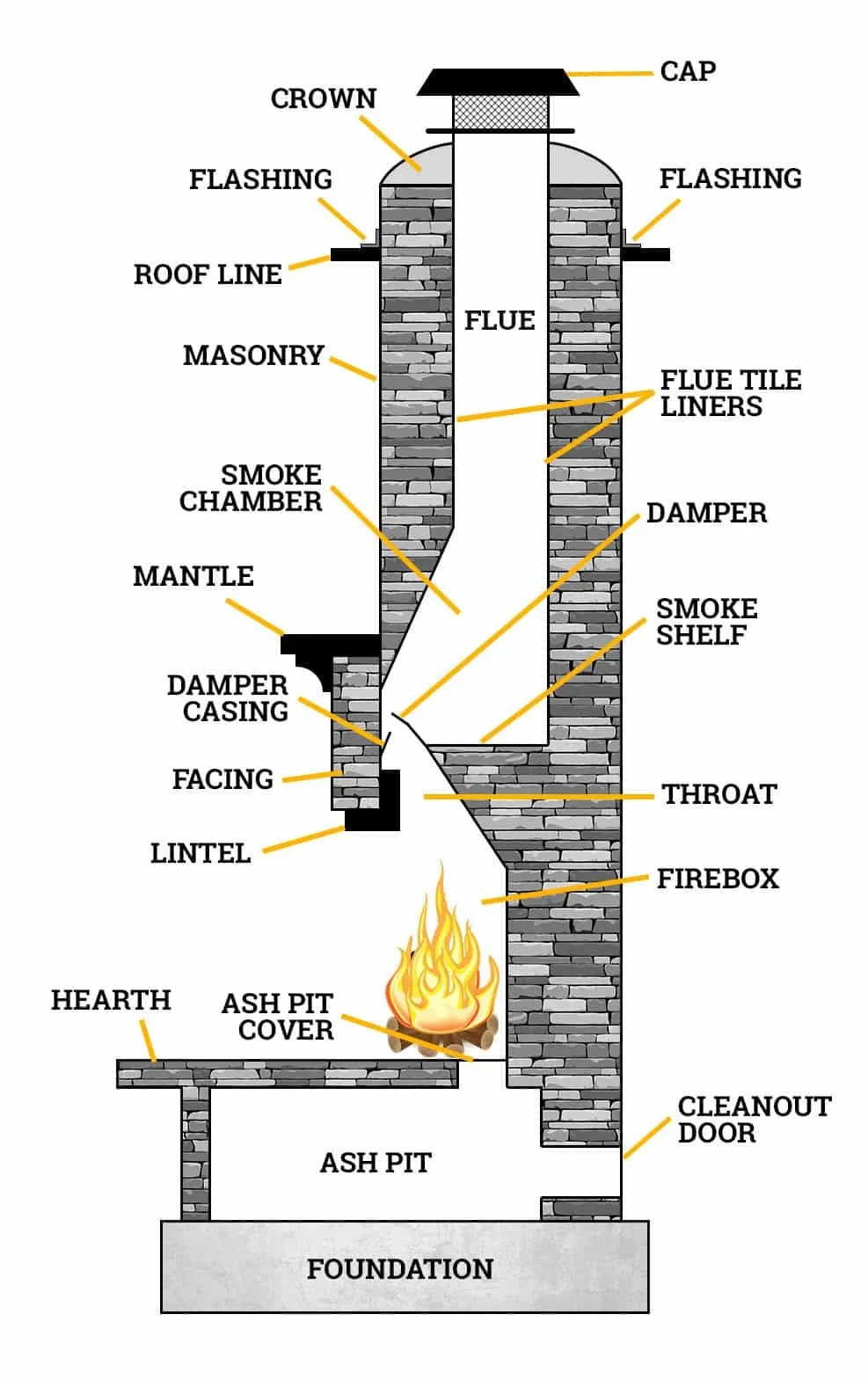
After removing creosote, the whole system is always inspected to insure integrity and safety. We adhere strictly to the codes and standards governed by the National Fireplace Protection Association (NFPA). It is important to assess the safe clearances for each system and the integrity and condition of the chimney.
Most common areas of concern:
The stove and venting are too close to combustable materials
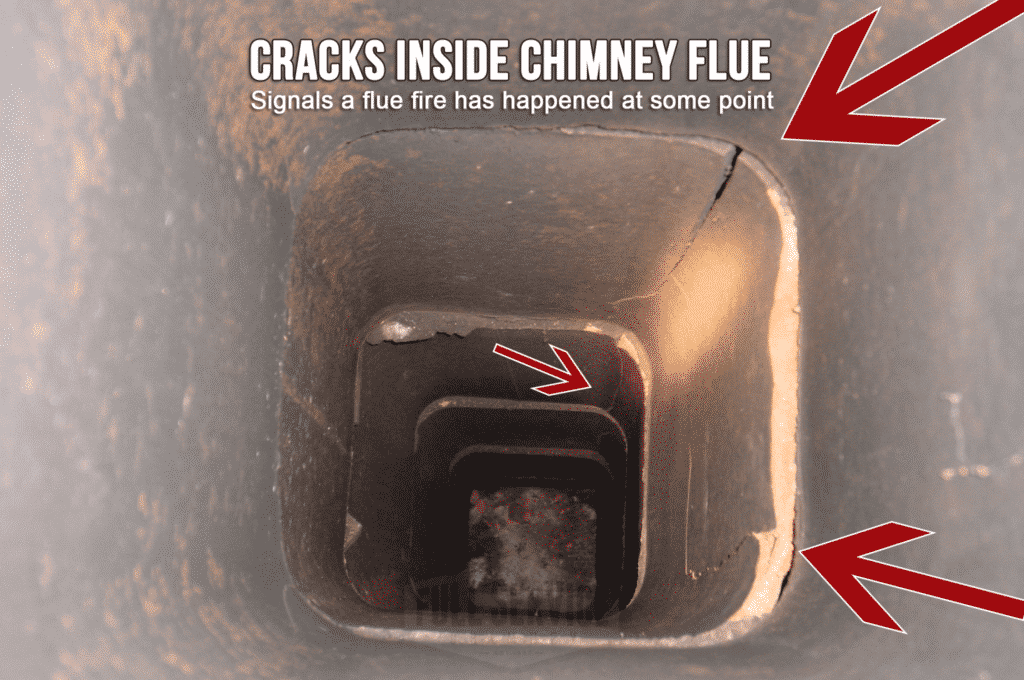
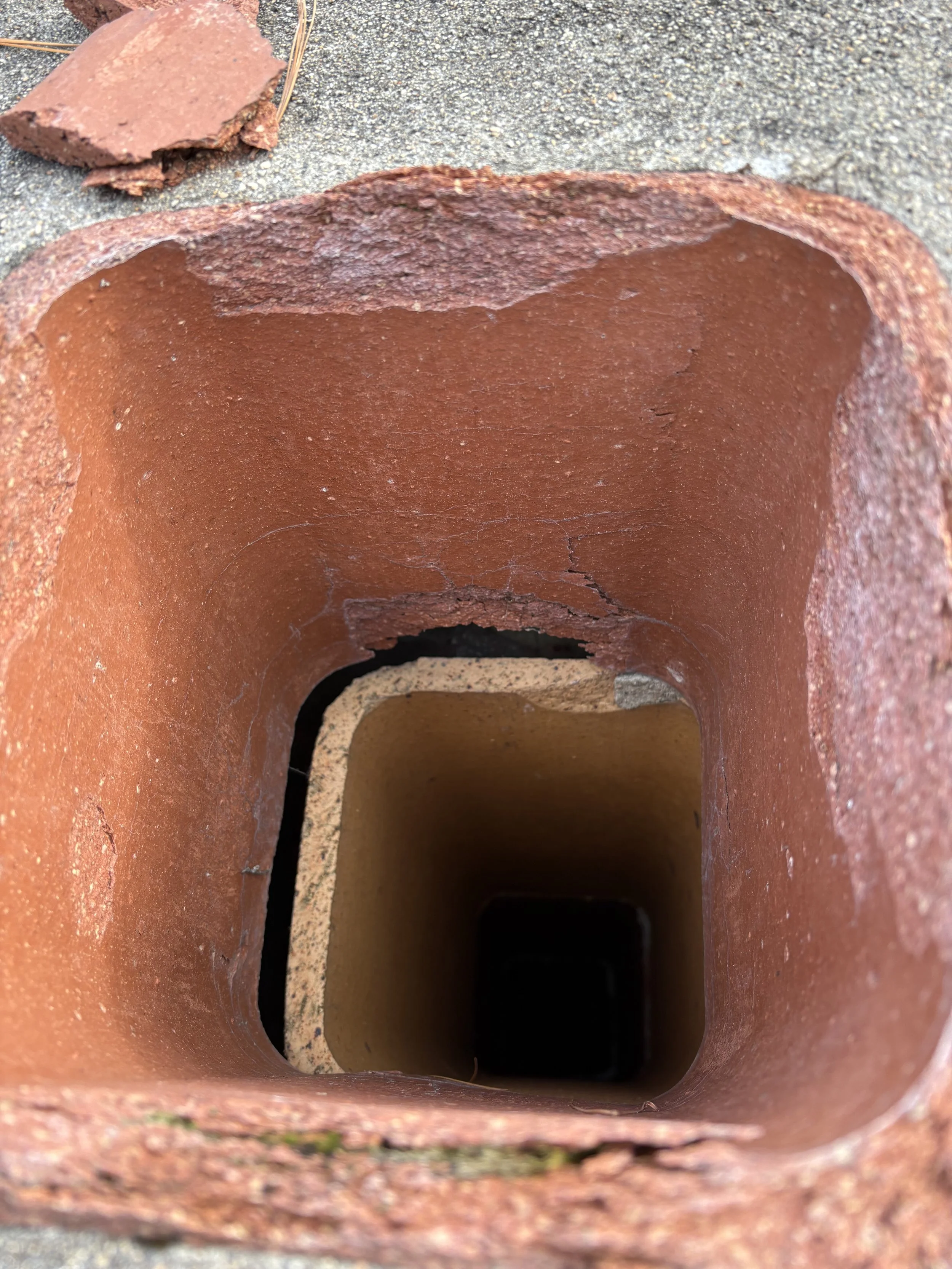
Cracked and failed chimney flue tiles can pose a significant risk. This is remedied with a stainless steel liner.
Creosote buildup. If smoke pours out the door when opened, you’re way overdue for a cleaning.
Pellet Stove Cleaning - $180
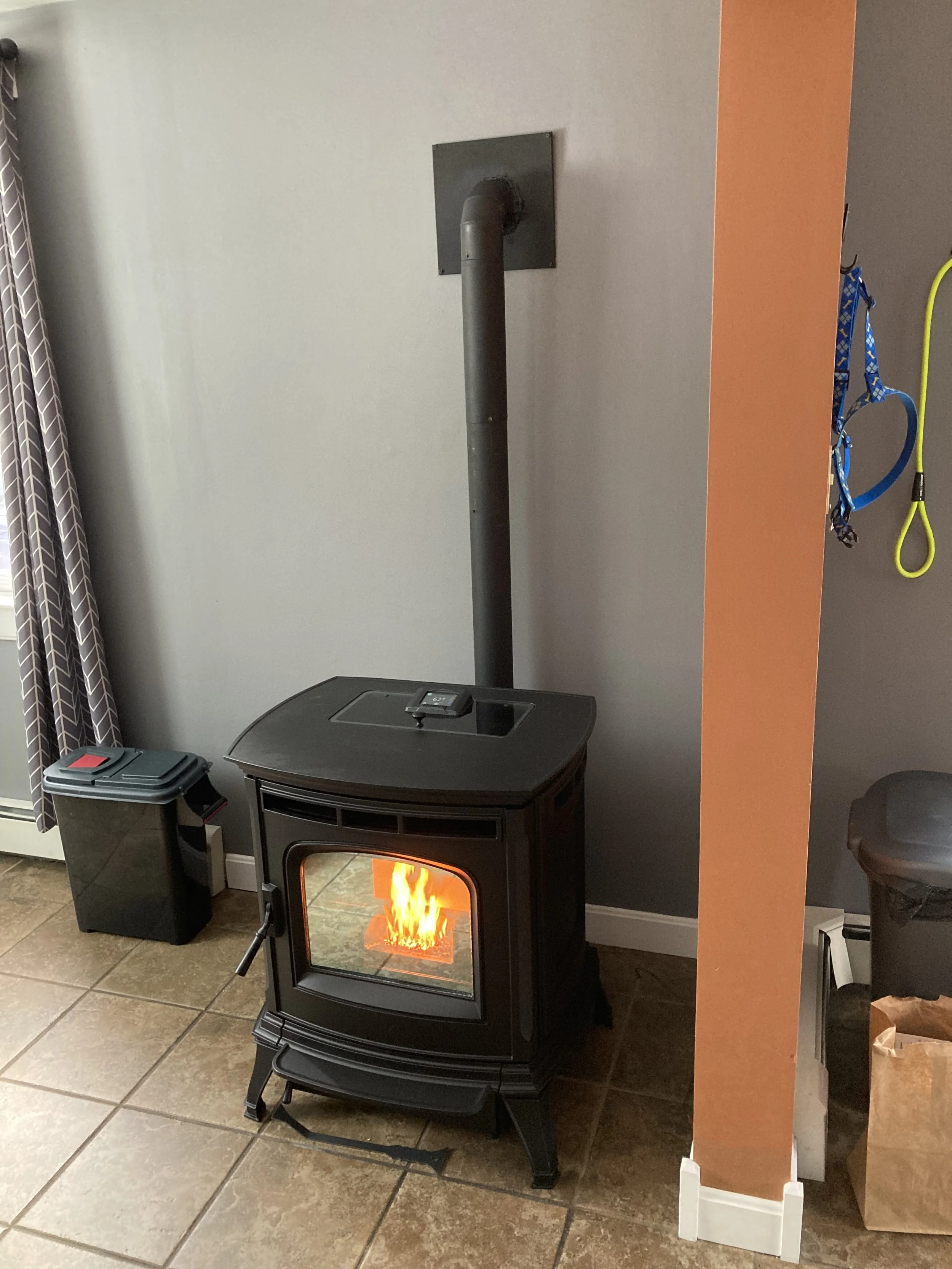
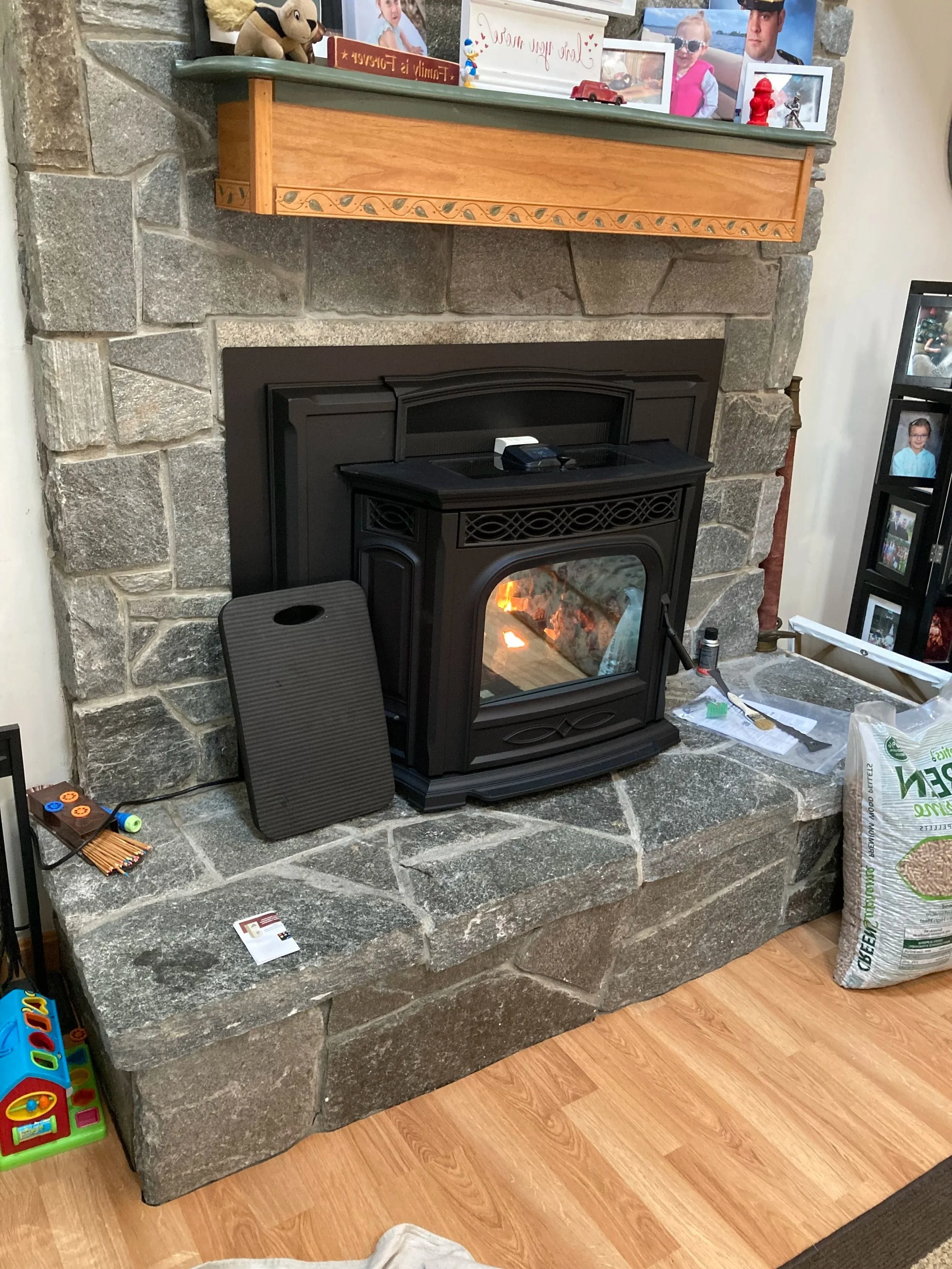
Pellet stoves offer some great improvements to traditional wood stoves. They cycle on and off to maintain a steady temperature in the home; they're simple to load and operate. Most importantly, they do not create dangerous creosote. They do, however, produce ash, which will eventually clog the stove and venting system. This ash isn't dangerous but still needs to be removed routinely to maintain operation and efficiency. Besides loading the pellets around once per day, pellet stove operators typically have to clean the burn pot every few days and empty the ash pan when it fills up. It’s strongly recommended that the whole firebox and baffle system are brushed free from ash every month to maintain air flow and efficient heat transfer.
Annual service and cleaning of the whole system is essential. We go through the whole system to remove all ash, clean electrical components, fans and glass, and test operation. Just like a wood stove, pellet stoves and venting are inspected after cleaning to insure safety.
Don’t wait till your stove clogs up and shuts down in the middle of the heating season to schedule your cleaning.
Silas and crew have been installing and servicing pellet stoves for over a decade and are very familiar with all makes a models. We would be happy to install, clean and inspect your pellet system.
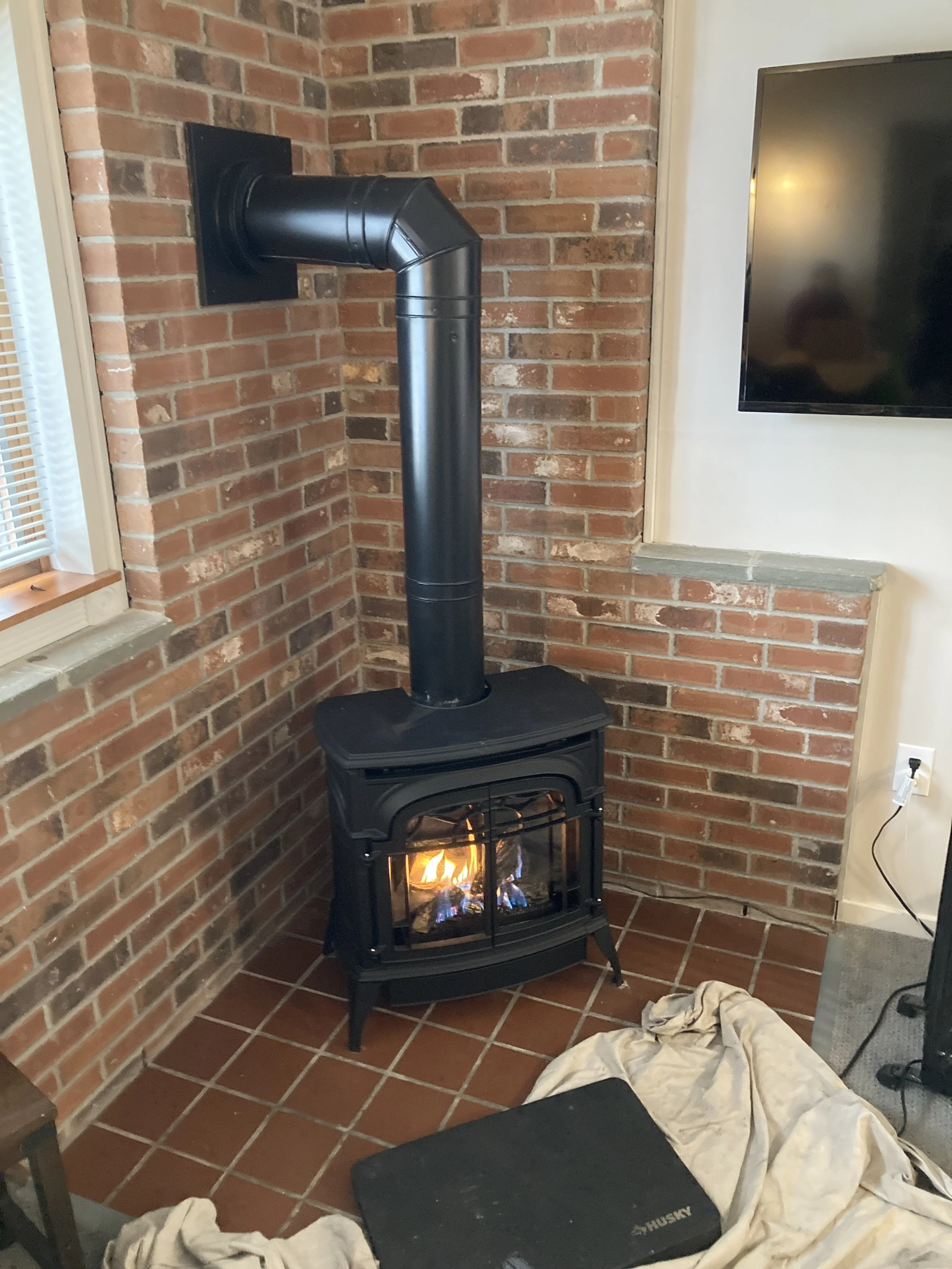
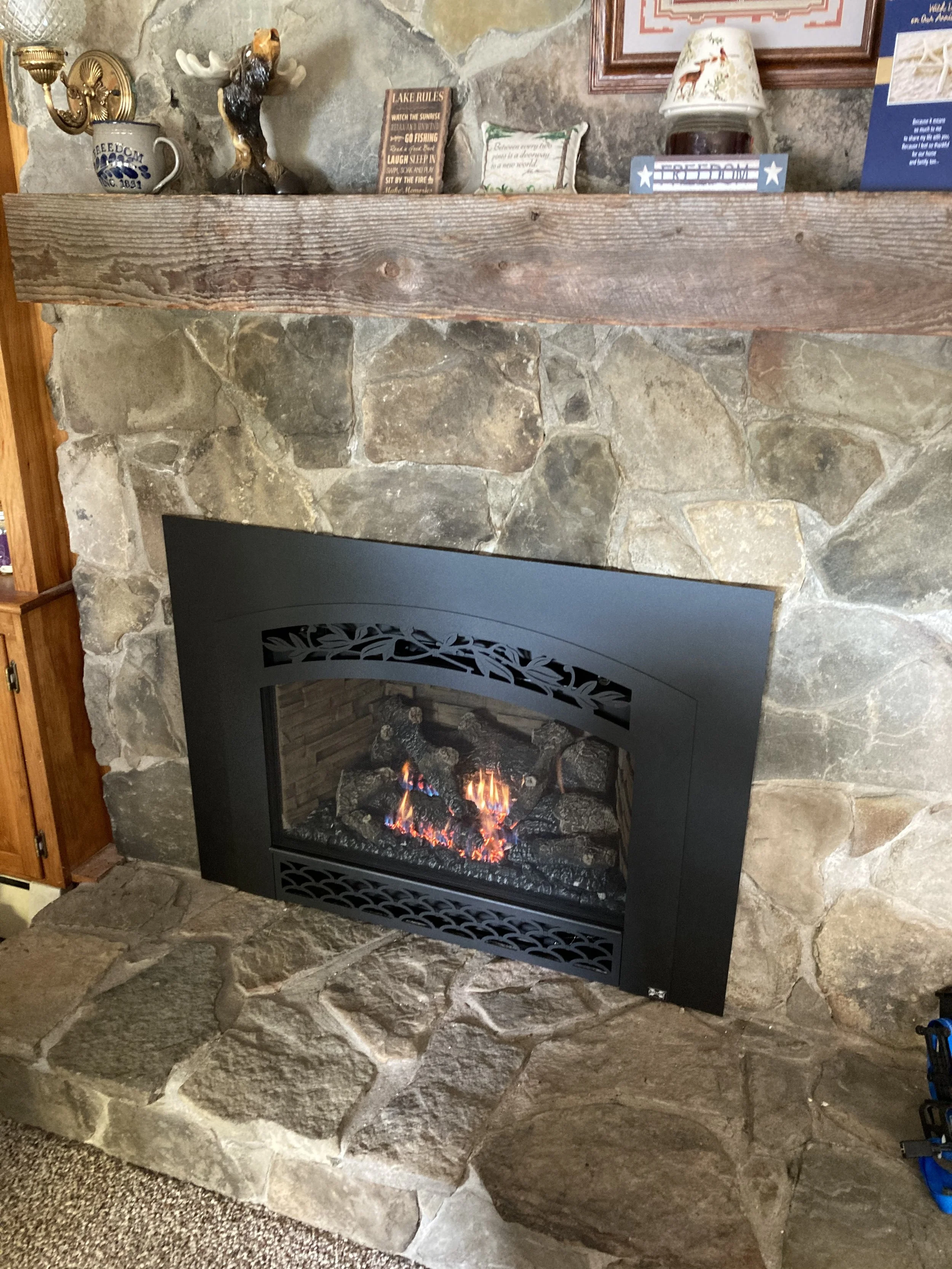
Gas Stove Service - $180
Propane stoves are arguably the safest and most convenient type of stove. While they are low maintainence, every manufacturer recommends annual service. Proper combustion of propane requires very precise air flow and air/fuel mixture, all of which needs to be properly set during installation and can easily get disturbed by soot, debris and log placement. Typical gas service cleanings consist of the removal of any soot, as well as cleaning the pilot assembly, the glass, the fan and all electrical components. The vent is checked for soot and integrity, and the operation of the stove is tested to insure the flame is burning properly.
Any deviation in airflow can result in black soot buildup, loud “booms” on startup, even burned out parts of the firebox itself.
New Hampshire requires a Gas Hearth license to work on propane stoves. Silas has maintained his license for over ten years and installs and services hundreds of gas stoves and fireplaces annually.
Dryer Vent Cleaning - $95
Did you know there are around 14,000 dryer fires each year in the US? It's something we don't think about, especially compared to chimney safety, but it's imperative that lint traps are cleaned with every use and the vent pipe is cleaned annually.

Cleaning a dryer vent is very similar to cleaning a pellet stove vent pipe, which makes this service an easy add-on to an annual chimney cleaning.

Dryer vents lose efficiency rapidly if not maintained, with clogged vents potentially increasing energy usage by 25% to 35%. For a standard household, a neglected vent can lead to a significant, cumulative loss in performance over the course of a single year, making annual cleaning essential to maintain efficiency and safety.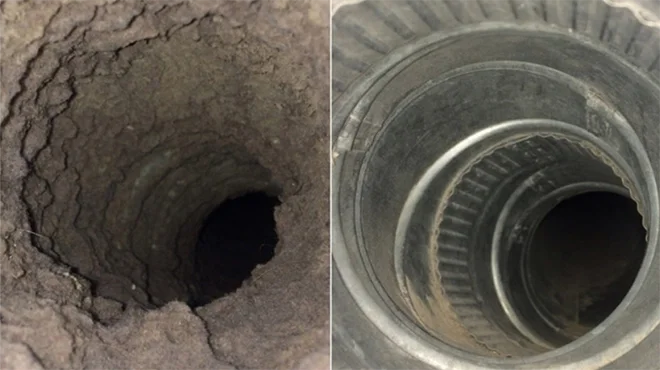
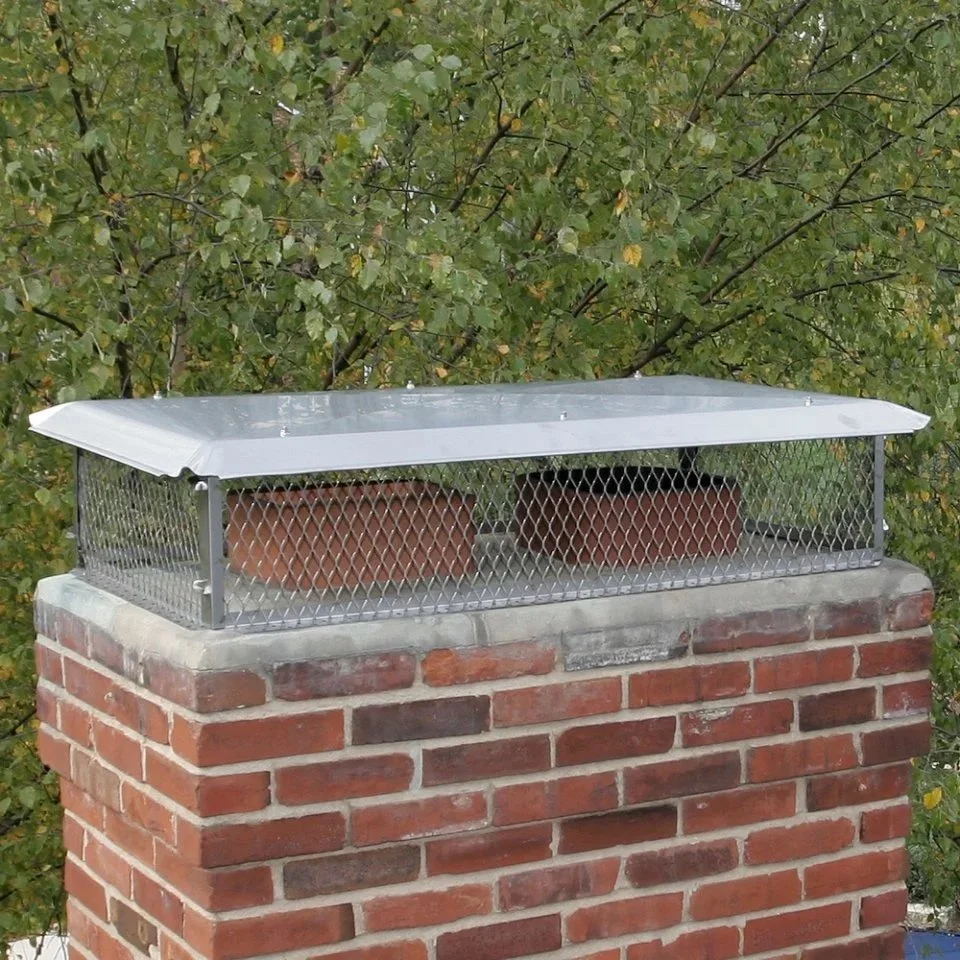
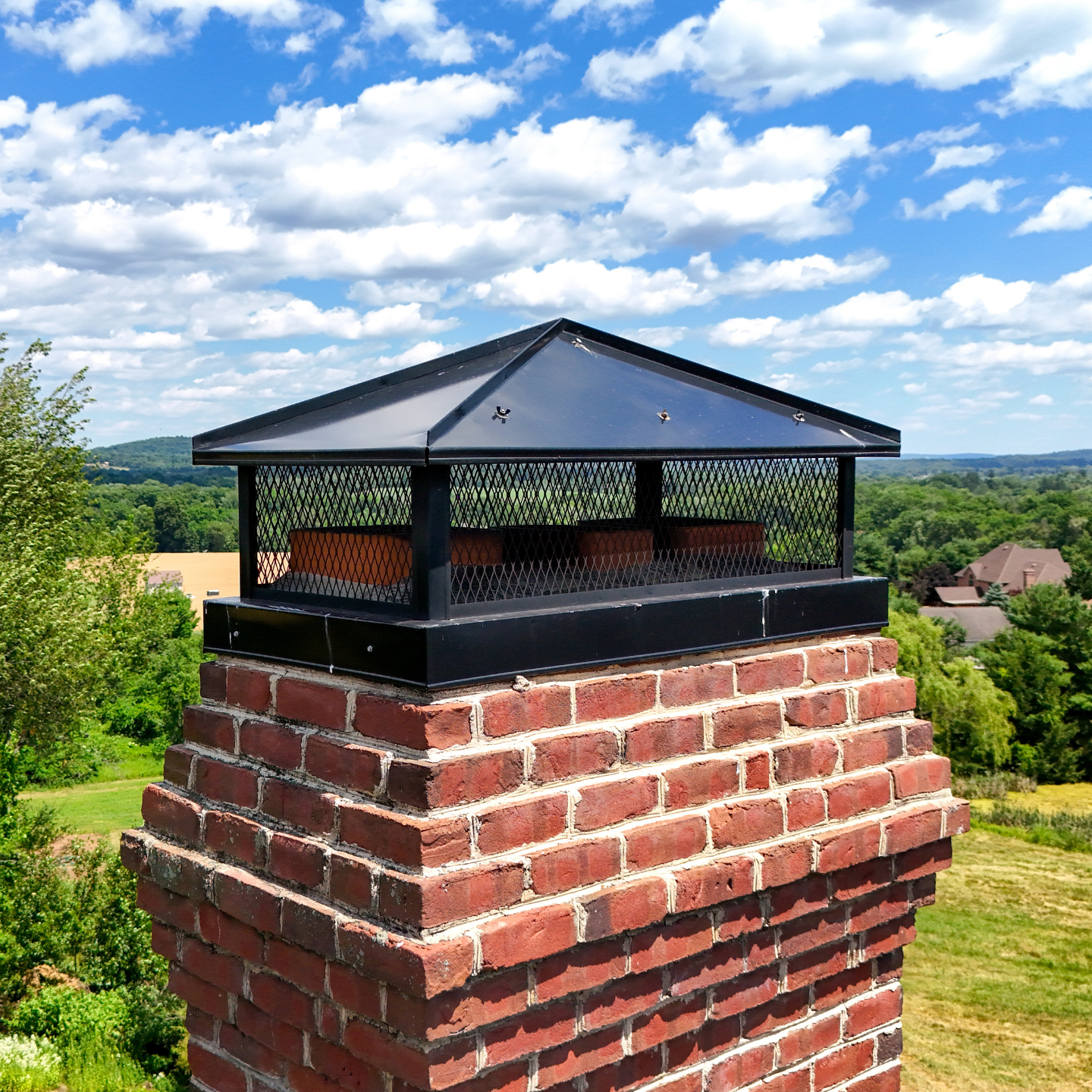
Brick and masonry chimneys are porous. Water is the number one cause of degradation to the outside of the chimney. It allows plants to work their roots in and causes cracking and spalling when it freezes in winter. There are two simple solutions to prevent water damage to the chimney. Rugged stainless caps keep water out of the flue and off the crown, while a water repellent spray prevents it from soaking into and destroying brick.
We recommend a spray-on water repellent as a simple solution to prolong the life of your chimney. Applied with a pump sprayer this simple product prevents mold and mildew, repels water, is non-toxic (especially no PFAS), allows masonry to breath, won’t stain, and lasts ten years!
Another useful service that you might not have thought about. You’re welcome.
Chimney Caps and
Masonry Waterproofing